Our Services

Conditions We Treat: Comprehensive Pain Management in Southern California

What Hurts?

Listed represent some, but not all of the conditions we treat. Call for more specific details. Treatment plans vary based on individual co-existing health conditions, preferences, and other multi-disciplinary specialists who may be involved.

  • Joint Arthritis
  • Diabetic Peripheral Neuropathy
  • Discogenic Back Pain
  • Herniated Disc
  • Hip Arthritis
  • Knee Arthritis
  • Phantom Limb Pain
  • Rheumatoid Arthritis
  • SI Joint Dysfunction

ankle

  • Spinal Arthritis
  • Acute Pain
  • Chronic Pain
  • Lumbar Radiculopathy
  • Neuropathic Pain
  • Ankle Pain
  • Foot Pain
  • Hip Pain
  • Knee Pain
  • Leg Pain
  • Back Pain and Spinal Pain

  • CRPS
  • Rotator Cuff Syndrome
  • Joint Arthritis
  • Diabetic Peripheral Neuropathy
  • Herniated Disc
  • Myofascial Pain Syndrome (MPS)
  • Osteoarthritis
  • Osteoporosis
  • Phantom Limb Pain

elbow

  • Rheumatoid Arthritis
  • Tendinitis & Bursitis
  • Acute Pain
  • Chronic Pain
  • Cancer Pain
  • Carpal Tunnel Syndrome
  • Neuropathic Pain
  • Arm Pain
  • Shoulder Pain
  • Wrist Pain

  • Carpal Tunnel Syndrome
  • Complex Regional Pain Syndrome (CRPS)
  • Diabetic Peripheral Neuropathy

hand-wrist

  • Joint Arthritis
  • Phantom Limb Pain
  • Rheumatoid Arthritis
  • Tendinitis and Bursitis

  • Hip Arthritis
  • Joint Arthritis
  • Osteoarthritis

hips

  • Hip Pain
  • Rheumatoid Arthritis

  • Joint Arthritis
  • Osteoarthritis
  • Failed Joint Replacement

knee

  • Rheumatoid Arthritis
  • Tendinitis and Bursitis

  • Complex Regional Pain Syndrome (CRPS)
  • Lumbar Radiculopathy
  • Leg Pain

leg

  • Phantom Limb Pain
  • Post-Laminectomy Syndrome
  • Sciatica

  • Fibromyalgia
  • Joint Arthritis
  • Osteoarthritis
  • Phantom Limb Pain

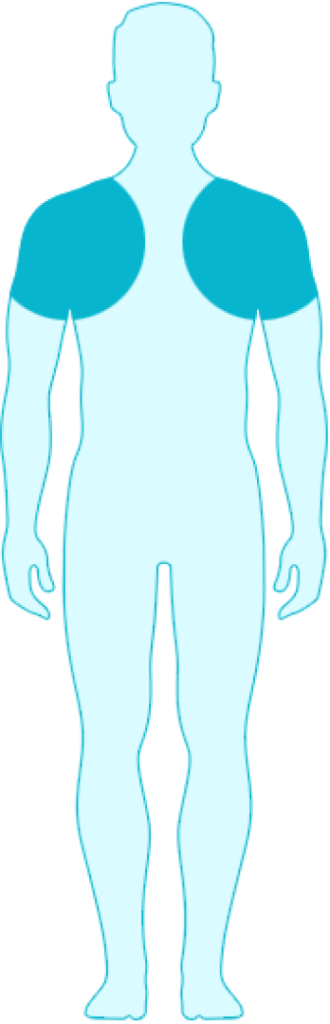
shoulder

  • Rheumatoid Arthritis
  • Rotator Cuff Syndrome
  • Tendinitis and Bursitis
  • Shoulder Pain

  • Cervicogenic Headaches
  • Degenerative Disc Disease (DDD)
  • Discogenic Back Pain
  • Facet Syndrome
  • Fibromyalgia
  • Herniated Disc
  • Myofascial Pain Syndrome (MPS)
  • Osteoarthritis
  • Osteoporosis
  • Post-Laminectomy Syndrome
  • Rheumatoid Arthritis
  • Sciatica

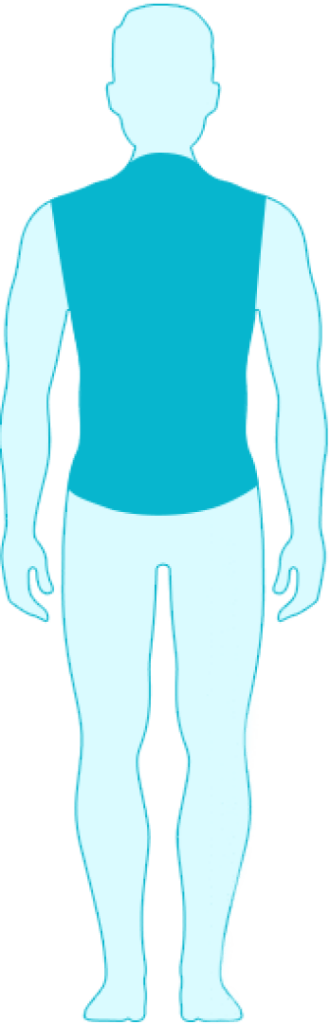
spine

  • SI Joint Dysfunction
  • Spinal Compression Fractures
  • Spinal Stenosis
  • Spinal Arthritis
  • Acute Pain
  • Chronic Pain
  • Back Pain
  • Chronic Headaches
  • Lumbar Radiculopathy
  • Cancer Pain
  • Coccydynia
  • Neuropathic Pain
  • Spondylosis
  • Leg Pain
  • Back Pain and Spinal Pain

  • Acute Pain
  • Post Stroke
  • Central Pain

whole body

  • Chronic Pain

Our Approach to Pain Management

At Southwest Pain Management, we understand that chronic pain is more than a physical sensation — it affects your ability to work, enjoy time with family, and live the life you deserve. That is why Dr. Philip Morgan and our dedicated team take a comprehensive, patient-centered approach to diagnosing and treating a wide range of pain conditions.

With more than 30 years of experience serving patients across Southern California — from Ventura and Woodland Hills to Hawthorne and greater Los Angeles — we have helped thousands of people find relief from even the most challenging pain conditions. Our practice combines advanced diagnostic techniques, evidence-based treatments, and a genuine commitment to your well-being.

Whether you are dealing with chronic back pain, nerve damage, arthritis, or pain following surgery, Southwest Pain Management offers the expertise and treatment options to help you regain function and improve your quality of life.

If you are living with chronic pain, you do not have to face it alone. Contact Southwest Pain Management today to schedule a comprehensive evaluation at our Ventura, Woodland Hills, or Hawthorne office. 

Conditions We Treat

Arthritis

Arthritis is one of the most common causes of chronic pain, affecting millions of people across the United States. It refers to inflammation of one or more joints, causing pain, swelling, stiffness, and decreased range of motion. There are more than 100 types of arthritis, but the most common forms seen in pain management are osteoarthritis (degenerative joint disease) and rheumatoid arthritis (an autoimmune condition).

Common symptoms include persistent joint pain, morning stiffness that eases with movement, swelling around joints, and a grinding or clicking sensation during movement. Arthritis can affect any joint in the body, including the spine, knees, hips, shoulders, and hands.

At Southwest Pain Management, we treat arthritis pain with a combination of medication management, joint injections, physical therapy, and regenerative medicine to reduce inflammation, slow progression, and restore function.

Back Pain

Back pain is the leading cause of disability worldwide and one of the most common reasons patients seek care at Southwest Pain Management. It can range from a dull, constant ache to sudden, sharp pain that makes movement difficult. Back pain may originate from muscles, ligaments, discs, vertebrae, or nerves.

Patients commonly experience stiffness, muscle spasms, radiating pain into the legs, difficulty standing or sitting for prolonged periods, and limited flexibility. Causes include muscle strain, herniated discs, spinal stenosis, degenerative disc disease, and poor posture.

Our team uses advanced diagnostic techniques to pinpoint the exact source of your back pain and creates a personalized treatment plan that may include epidural injections, physical therapy, nerve blocks, medication management, and regenerative medicine. 

Bursitis

Bursitis is the inflammation of a bursa — a small, fluid-filled sac that cushions the bones, tendons, and muscles near your joints. Bursitis most commonly affects the shoulder, elbow, hip, and knee but can occur in any joint. It is often caused by repetitive motion, prolonged pressure, or injury.

Symptoms include joint pain that worsens with movement or pressure, swelling, warmth and redness around the affected area, and stiffness. Bursitis pain is often described as a deep ache that intensifies during specific activities.

Southwest Pain Management treats bursitis with a combination of anti-inflammatory injections directly into the affected bursa, physical therapy to restore range of motion, medication management, and activity modification to prevent recurrence.

Cancer Pain

Cancer pain can result from the cancer itself — tumors pressing on bones, nerves, or organs — or from cancer treatments such as surgery, chemotherapy, and radiation therapy. Cancer pain can be acute or chronic, mild or severe, and may change over the course of treatment.

Common symptoms include constant aching or pressure, sharp or burning nerve pain, pain at the tumor site, and generalized discomfort that affects sleep and daily function. Cancer pain is deeply personal and can have significant emotional and psychological components.

At Southwest Pain Management, Dr. Morgan works compassionately with cancer patients and their oncology teams to develop individualized pain management plans. Treatments may include medication management, nerve blocks, spinal cord stimulation, and interventional procedures designed to improve comfort and quality of life.

Carpal Tunnel Syndrome

Carpal tunnel syndrome occurs when the median nerve, which runs from the forearm through a narrow passageway in the wrist (the carpal tunnel), becomes compressed. It is a common condition among people who perform repetitive hand and wrist movements, such as typing, assembly line work, and using vibrating tools.

Symptoms typically begin gradually and include numbness and tingling in the thumb, index, middle, and ring fingers, hand weakness, difficulty gripping objects, and pain that may radiate up the forearm. Symptoms are often worse at night.

Southwest Pain Management offers non-surgical treatment options for carpal tunnel syndrome including wrist splinting, corticosteroid injections to reduce nerve swelling, physical therapy, and ergonomic counseling to address the underlying cause.

Complex Regional Pain Syndrome (CRPS)

Complex regional pain syndrome is a chronic pain condition that typically affects one limb, usually after an injury, surgery, stroke, or heart attack. CRPS is characterized by pain that is disproportionate to the initial injury and may spread beyond the original injury site. It is believed to involve dysfunction of the peripheral and central nervous systems.

Symptoms include intense burning or throbbing pain, sensitivity to touch or temperature, swelling, changes in skin color and temperature, altered hair and nail growth, and joint stiffness. CRPS can be profoundly debilitating if not treated early and aggressively.

At Southwest Pain Management, CRPS is treated with a multidisciplinary approach including sympathetic nerve blocks, spinal cord stimulation, medication management, physical therapy, and psychological support to address the complex nature of this condition.

Southwest Pain Management specializes in complex and difficult-to-treat pain conditions. If you have been diagnosed with CRPS or another challenging condition, contact us for a specialized evaluation.

Degenerative Disc Disease

Degenerative disc disease is a condition in which the intervertebral discs — the soft, cushioning structures between your vertebrae — break down over time. Despite its name, it is not actually a disease but a natural age-related process. However, for some patients, disc degeneration causes significant pain, stiffness, and reduced mobility.

Symptoms include chronic low back or neck pain that worsens with sitting, bending, or twisting, pain that improves with walking or changing positions, intermittent episodes of severe pain, and numbness or tingling if a nerve becomes compressed by the deteriorating disc.

Southwest Pain Management treats degenerative disc disease with a comprehensive approach including epidural injections, physical therapy to strengthen the spine, medication management, regenerative medicine to promote disc healing, and lifestyle modifications to slow progression. 

Facet Joint Pain

Facet joints are small, stabilizing joints located between each pair of vertebrae in your spine. When these joints become inflamed or arthritic — a condition called facet syndrome or facet arthropathy — they can cause significant back or neck pain. Facet joint pain is a common cause of chronic spinal pain and is frequently underdiagnosed.

Common symptoms include localized back or neck pain that worsens with extension (bending backward), twisting, or prolonged standing, pain that does not typically radiate far down the arms or legs (unlike disc-related pain), and stiffness that is worse in the morning or after periods of inactivity.

Treatment at Southwest Pain Management includes diagnostic and therapeutic facet joint injections, medial branch nerve blocks, radiofrequency ablation for long-term nerve pain relief, physical therapy, and anti-inflammatory medication.

Failed Back Surgery Syndrome

Failed back surgery syndrome (FBSS) is a term used to describe persistent or recurring pain after spinal surgery. Despite its name, it does not necessarily mean the surgery failed — rather, the expected level of pain relief was not achieved. FBSS affects an estimated 20–40% of patients who undergo spinal surgery.

Symptoms include persistent low back or neck pain after surgery, new or continuing radiating leg or arm pain, reduced mobility, muscle weakness, and difficulty performing daily activities. FBSS can be extremely frustrating for patients who expected surgery to resolve their pain.

Southwest Pain Management has extensive experience treating FBSS with advanced techniques including spinal cord stimulation, epidural injections, nerve blocks, physical therapy, medication management, and regenerative medicine. Many patients with FBSS find significant relief through our non-surgical approach. 

Fibromyalgia

Southwest Pain Management, led by Dr. Philip Morgan, has been a trusted provider of epidural steroid injections across Southern California for over 30 years. Here is what sets us apart:

  • Board-certified pain management specialistswith decades of experience
  • State-of-the-art fluoroscopic guidancefor maximum accuracy and safety
  • Three convenient locations— Ventura, Woodland Hills, and Hawthorne — serving patients throughout Los Angeles and beyond
  • Personalized treatment plans— We never take a one-size-fits-all approach
  • Comprehensive care— Epidural injections are part of a broader treatment strategy that may include physical therapy, medication management, and regenerative medicine

Ready to find out if epidural injections can help your pain? Contact Southwest Pain Management today to schedule a consultation at our Ventura, Woodland Hills, or Hawthorne office. Dr. Philip Morgan and our compassionate team are here to help you get back to the life you love. 

Headaches and Migraines

Chronic headaches and migraines affect millions of people and can be caused by a wide variety of factors including muscle tension, nerve irritation, cervical spine problems, stress, and vascular changes in the brain. When headaches become frequent or severe enough to interfere with daily life, specialized pain management treatment can help.

Symptoms vary by headache type but commonly include throbbing or pulsating pain (migraines), band-like pressure around the head (tension headaches), pain originating from the neck (cervicogenic headaches), sensitivity to light and sound, nausea, and visual disturbances (aura).

Southwest Pain Management treats chronic headaches with a range of approaches including occipital nerve blocks, trigger point injections for muscle-related headaches, cervical epidural injections for cervicogenic headaches, Botox injections for chronic migraines, and medication management. 

Herniated Disc

A herniated disc — also called a slipped or ruptured disc — occurs when the soft, gel-like center of a spinal disc pushes through a tear in the tougher outer layer. The herniated material can press on nearby spinal nerves, causing pain, numbness, and weakness. Herniated discs most commonly affect the lumbar (lower back) and cervical (neck) regions of the spine.

Symptoms depend on the location of the herniated disc and may include sharp, shooting pain in the back, arm, or leg, numbness or tingling along the affected nerve, muscle weakness, pain that worsens with certain movements such as coughing or sneezing, and difficulty with fine motor tasks (cervical herniations).

Treatment at Southwest Pain Management focuses on non-surgical approaches including epidural steroid injections to reduce nerve inflammation, physical therapy to strengthen supporting muscles, medication management for pain and inflammation, and activity modification. The majority of herniated discs can be successfully treated without surgery. 

Joint Pain

Joint pain — or arthralgia — can affect any joint in the body and has many potential causes, including arthritis, injury, overuse, infection, and autoimmune conditions. Whether your pain is in the knee, hip, shoulder, wrist, or ankle, chronic joint pain can significantly limit your mobility and quality of life.

Common symptoms include aching, stiffness, swelling, reduced range of motion, grinding or clicking sensations, and warmth around the affected joint. Joint pain may be constant or may come and go depending on activity level and weather changes.

Southwest Pain Management treats chronic joint pain with a multifaceted approach including corticosteroid joint injections, hyaluronic acid (viscosupplementation) injections, physical therapy, regenerative medicine (PRP and stem cell therapies), and medication management tailored to the underlying cause.

Muscle Spasms

can be extremely painful and may last from a few seconds to several minutes. When muscle spasms become chronic or recurrent, they can significantly disrupt daily activities, sleep, and overall quality of life.

Common symptoms include sudden, sharp muscle pain, visible tightness or twitching of the muscle, restricted range of motion in the affected area, and tenderness to touch. Chronic muscle spasms are often associated with underlying conditions such as disc herniation, spinal stenosis, or myofascial pain syndrome.

At Southwest Pain Management, we treat chronic muscle spasms by addressing both the symptoms and the underlying cause. Treatment options include muscle relaxant medications, trigger point injections, physical therapy with stretching programs, and treatment of the underlying spinal or joint condition contributing to the spasms.

Myofascial Pain Syndrome

Myofascial pain syndrome is a chronic pain condition caused by trigger points — sensitive, tight knots that form in muscles. Unlike general muscle soreness, myofascial pain involves specific trigger points that cause localized pain and can also produce pain in seemingly unrelated areas of the body (referred pain).

Symptoms include a deep, aching muscle pain that persists or worsens over time, tender knots in the muscle that can be felt through the skin, pain that is referred to other body areas when the trigger point is pressed, stiffness, and difficulty sleeping due to pain.

Southwest Pain Management treats myofascial pain syndrome with targeted trigger point injections that directly address the painful knots, physical therapy including myofascial release and stretching, dry needling, medication management, and ergonomic and posture counseling.

Neck Pain

Neck pain is one of the most common pain complaints, affecting approximately one in three adults at some point during the year. It can result from muscle strain, disc herniation, cervical spondylosis, whiplash injury, poor posture, and degenerative changes in the cervical spine.

Symptoms may include pain and stiffness in the neck, pain that radiates to the shoulders, arms, or hands, headaches originating from the neck (cervicogenic headaches), reduced range of motion, muscle spasms, and numbness or tingling in the upper extremities.

At Southwest Pain Management, neck pain is treated comprehensively with cervical epidural injections, facet joint injections, trigger point injections, physical therapy focusing on cervical strengthening and posture correction, medication management, and regenerative medicine when appropriate.

Neuropathy

Neuropathy (peripheral neuropathy) refers to damage or dysfunction of the peripheral nerves — the nerves that carry signals between the brain, spinal cord, and the rest of the body. It can be caused by diabetes (the most common cause), injury, infection, medications, and many other factors.

Symptoms typically begin in the hands and feet and may include burning, tingling, or “pins and needles” sensations, sharp or stabbing pain, numbness and reduced ability to feel temperature changes, muscle weakness, and sensitivity to touch (allodynia).

Southwest Pain Management offers specialized treatment for neuropathic pain including neuropathic pain medications (gabapentin, pregabalin, duloxetine), nerve blocks, spinal cord stimulation, topical treatments, and comprehensive medication management tailored to the type and cause of neuropathy. [LINK: /medication-management/] [LINK: /spinal-cord-stimulation/]

Osteoarthritis

Osteoarthritis is the most common form of arthritis, often called “wear and tear” arthritis. It occurs when the protective cartilage that cushions the ends of your bones gradually breaks down over time. Osteoarthritis most commonly affects the joints of the hands, knees, hips, and spine.

Common symptoms include joint pain during or after movement, stiffness (especially in the morning or after rest), tenderness, loss of flexibility, a grating or grinding sensation, bone spurs, and swelling around the affected joint. Risk factors include age, previous joint injuries, obesity, genetics, and repetitive stress.

At Southwest Pain Management, we treat osteoarthritis with a combination of joint injections (corticosteroid and hyaluronic acid), physical therapy, regenerative medicine (PRP therapy), medication management, weight management counseling, and activity modification strategies to maintain joint function. [LINK: /joint-injections/] [LINK: /regenerative-medicine/]

Pelvic Pain

Chronic pelvic pain is persistent pain in the lower abdomen and pelvis lasting six months or longer. It can affect both men and women and may have multiple contributing causes, including musculoskeletal problems, nerve irritation, and organ-related conditions.

Symptoms include constant or intermittent pain in the pelvic region, pain that worsens with certain positions, sitting, or activities, pain during urination or bowel movements, lower back pain that accompanies pelvic symptoms, and pain that affects sexual function.

Southwest Pain Management approaches chronic pelvic pain with a thorough diagnostic evaluation to identify all contributing factors. Treatment options include nerve blocks targeting pelvic nerves, trigger point injections for pelvic floor muscles, medication management, physical therapy with pelvic floor rehabilitation, and collaborative care with gynecologists or urologists as needed. 

Chronic pelvic pain is often misdiagnosed. If you have been struggling with persistent pelvic pain, Southwest Pain Management can help identify the cause and create a personalized treatment plan. 

Phantom Limb Pain

Phantom limb pain is a condition in which patients experience pain that seems to come from a limb that has been amputated. Despite the limb being gone, the brain continues to receive pain signals from the nerves that originally carried impulses from the missing limb. This is a real and often severe form of pain, not a psychological condition.

Symptoms include pain that feels like it is coming from the missing limb (burning, cramping, shooting, or stabbing), sensations of the limb still being present, pain that may be triggered by stress, weather changes, or pressure on the residual limb, and interference with sleep and daily function.

Southwest Pain Management treats phantom limb pain with specialized approaches including medication management targeting neuropathic pain pathways, nerve blocks, spinal cord stimulation, mirror therapy, and psychological support. Dr. Morgan has experience working compassionately with amputee patients to find effective relief.

Post-Surgical Pain

Post-surgical pain is pain that persists beyond the expected healing period after a surgical procedure. While some post-operative pain is normal, chronic post-surgical pain — defined as pain lasting more than three months after surgery — affects an estimated 10–50% of surgical patients depending on the type of surgery.

Symptoms include persistent pain at or near the surgical site, pain that is different in quality from the original pre-surgical pain, new nerve-related symptoms such as burning, shooting, or tingling pain, reduced function or mobility compared to before surgery, and pain that interferes with sleep, work, or daily activities.

At Southwest Pain Management, we treat post-surgical pain with a variety of techniques including nerve blocks, epidural injections, spinal cord stimulation, physical therapy, medication management, and regenerative medicine to support healing and pain control.

Sciatica

Sciatica is a common condition characterized by pain that radiates along the path of the sciatic nerve, which runs from the lower back through the hips and buttocks and down each leg. It typically affects only one side of the body and is usually caused by a herniated disc, bone spur, or spinal stenosis compressing the nerve.

Symptoms include sharp, shooting, or burning pain that radiates from the lower back down through the buttock and leg, numbness or tingling in the leg or foot, weakness in the affected leg, pain that worsens with sitting, coughing, or sneezing, and difficulty walking or standing.

Southwest Pain Management treats sciatica with a comprehensive non-surgical approach including lumbar epidural steroid injections to reduce nerve inflammation, physical therapy to strengthen the core and decompress the nerve, nerve blocks, medication management, and regenerative medicine. Most cases of sciatica resolve without surgery when treated with the right combination of therapies. 

Whiplash

Sciatica is a common condition characterized by pain that radiates along the path of the sciatic nerve, which runs from the lower back through the hips and buttocks and down each leg. It typically affects only one side of the body and is usually caused by a herniated disc, bone spur, or spinal stenosis compressing the nerve.

Symptoms include sharp, shooting, or burning pain that radiates from the lower back down through the buttock and leg, numbness or tingling in the leg or foot, weakness in the affected leg, pain that worsens with sitting, coughing, or sneezing, and difficulty walking or standing.

Southwest Pain Management treats sciatica with a comprehensive non-surgical approach including lumbar epidural steroid injections to reduce nerve inflammation, physical therapy to strengthen the core and decompress the nerve, nerve blocks, medication management, and regenerative medicine. Most cases of sciatica resolve without surgery when treated with the right combination of therapies. 

Our Treatment Options

Sciatica is a common condition characterized by pain that radiates along the path of the sciatic nerve, which runs from the lower back through the hips and buttocks and down each leg. It typically affects only one side of the body and is usually caused by a herniated disc, bone spur, or spinal stenosis compressing the nerve.

Symptoms include sharp, shooting, or burning pain that radiates from the lower back down through the buttock and leg, numbness or tingling in the leg or foot, weakness in the affected leg, pain that worsens with sitting, coughing, or sneezing, and difficulty walking or standing.

Southwest Pain Management treats sciatica with a comprehensive non-surgical approach including lumbar epidural steroid injections to reduce nerve inflammation, physical therapy to strengthen the core and decompress the nerve, nerve blocks, medication management, and regenerative medicine. Most cases of sciatica resolve without surgery when treated with the right combination of therapies. 

FAQs

What conditions does Southwest Pain Management treat?

Southwest Pain Management treats a comprehensive range of pain conditions including arthritis, back pain, sciatica, herniated discs, neuropathy, fibromyalgia, headaches and migraines, neck pain, CRPS, degenerative disc disease, failed back surgery syndrome, cancer pain, and many more. We serve patients across Southern California from our offices in Ventura, Woodland Hills, and Hawthorne.

How do I know what is causing my chronic pain?

Determining the cause of chronic pain requires a thorough evaluation that may include a detailed medical history, physical examination, diagnostic imaging (X-ray, MRI, CT scan), and sometimes diagnostic injections. At Southwest Pain Management, Dr. Philip Morgan takes the time to identify the exact source of your pain so your treatment plan targets the right problem.

Do I need a referral to see a pain management specialist?

In most cases, a referral is not required to schedule an appointment at Southwest Pain Management, although some insurance plans may require one. We recommend contacting our office, and our team will verify your insurance and guide you through the process.

What is the most common pain condition you treat?

Back pain is the most common condition we treat at Southwest Pain Management, followed closely by neck pain and sciatica. However, our team has extensive experience treating a wide range of conditions, from common issues like arthritis and headaches to complex conditions like CRPS and failed back surgery syndrome.

Can chronic pain be cured?

While some pain conditions can be fully resolved, many chronic pain conditions are managed rather than cured. The goal of treatment at Southwest Pain Management is to significantly reduce your pain, improve your function, and enhance your quality of life. With the right combination of treatments, many patients experience substantial, long-lasting relief

What should I bring to my first appointment?

Please bring your photo ID, insurance card, a list of current medications, any relevant imaging studies (MRI, X-ray, CT scan) on disc or through a patient portal, medical records from previous treatments, and a list of questions you would like to discuss. Arriving prepared helps Dr. Morgan develop the best treatment plan for your needs.

Please bring your photo ID, insurance card, a list of current medications, any relevant imaging studies (MRI, X-ray, CT scan) on disc or through a patient portal, medical records from previous treatments, and a list of questions you would like to discuss. Arriving prepared helps Dr. Morgan develop the best treatment plan for your needs.

How long does it take to get an appointment?

Southwest Pain Management strives to see new patients as quickly as possible, often within one to two weeks. For urgent pain conditions, we do our best to accommodate same-week appointments. Call our Ventura, Woodland Hills, or Hawthorne office to check availability.

Does Southwest Pain Management accept my insurance?

Southwest Pain Management accepts most major insurance plans, including Medicare and many PPO and HMO plans. Our billing team will verify your coverage before your appointment. Contact us to confirm your specific plan is accepted.

What if my condition is not listed on this page?

This page covers the most common conditions we treat, but it is not exhaustive. If you are experiencing a pain condition not listed here, we still encourage you to reach out. Dr. Philip Morgan has over 30 years of experience treating complex and unusual pain conditions. Call Southwest Pain Management to discuss your situation with our team.

Do you treat pain in patients of all ages?

Southwest Pain Management treats adult patients of all ages, from young adults to seniors. Chronic pain conditions can affect people at any stage of life, and our treatment plans are always customized to the individual patient’s age, health status, and specific needs