


Platelet-Rich Plasma (PRP) Therapy
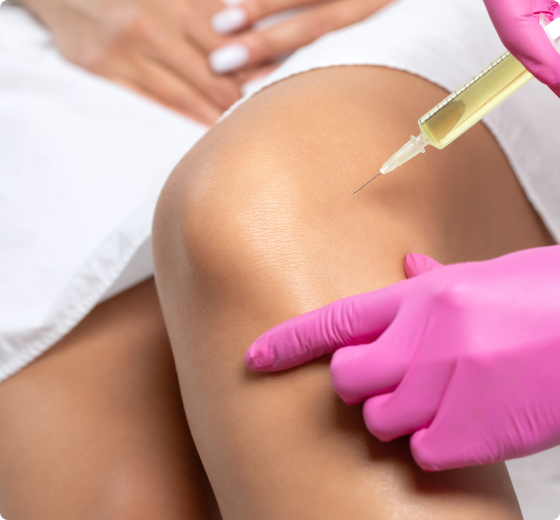
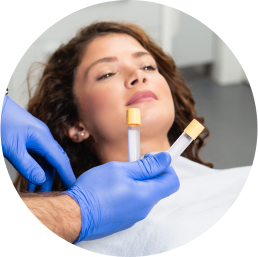
PRP therapy is one of the most widely researched regenerative treatments available today. The procedure involves drawing a small sample of your blood, processing it to concentrate the platelets and growth factors, and injecting the PRP directly into the injured or painful area.
Platelets contain powerful growth factors that accelerate tissue repair, reduce inflammation, and promote the formation of new, healthy tissue. PRP therapy is particularly effective for:
- Osteoarthritis of the knee, hip, and shoulder
- Rotator cuff injuries and tendinitis
- Tennis elbow and golfer’s elbow
- Plantar fasciitis
- Chronic tendon injuries
- Ligament sprains
Most PRP sessions take about 60 minutes, including blood draw and processing time. Patients may require 1–3 treatments spaced several weeks apart for optimal results.
Stem Cell Therapy
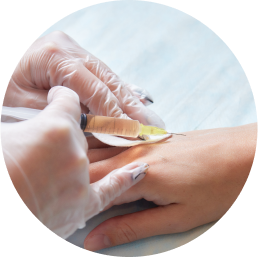
Stem cell therapy for pain uses mesenchymal stem cells — typically harvested from your own bone marrow or adipose (fat) tissue — to regenerate damaged cartilage, tendons, ligaments, and other tissues. Stem cells have the remarkable ability to develop into many different cell types, making them powerful tools for repairing structures that have limited natural healing capacity.
Stem cell therapy may be recommended for:
- Moderate to severe osteoarthritis
- Degenerative disc disease
- Cartilage damage
- Chronic joint pain that hasn’t responded to other treatments
- Avascular necrosis
The procedure is performed in-office under local anesthesia, and most patients resume normal activities within a few days.
Prolotherapy
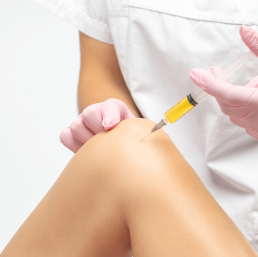
Prolotherapy (proliferative therapy) involves injecting a natural irritant solution — typically dextrose (sugar water) — into damaged ligaments, tendons, or joint spaces. This controlled irritation triggers your body’s natural inflammatory healing response, stimulating the growth of new, stronger connective tissue.
Prolotherapy is an excellent option for:
- Chronic ligament laxity and joint instability
- SI joint dysfunction
- Chronic low back pain
- TMJ (temporomandibular joint) pain
- Chronic ankle, wrist, or knee instability
A typical prolotherapy course involves 3–6 treatments spaced 2–4 weeks apart.
Trigger Point Injections
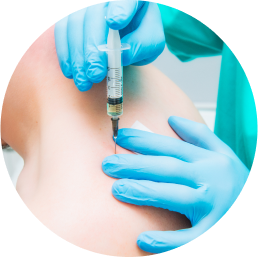
Trigger point injections target painful knots of muscle (myofascial trigger points) that develop from overuse, injury, or chronic tension. A small needle delivers a local anesthetic or saline solution directly into the trigger point, releasing the muscle spasm and relieving referred pain patterns. Trigger point injections are commonly used for:
- Chronic neck and shoulder pain
- Tension headaches
- Myofascial pain syndrome
- Fibromyalgia-related muscle pain
Benefits of Regenerative Pain Treatment
- Harnesses your body’s natural healing— no synthetic drugs or artificial implants
- Minimally invasive— office-based procedures with minimal downtime
- Long-lasting relief— addresses the root cause, not just symptoms
- May delay or prevent surgery— especially for joint degeneration
- Low risk of side effects— treatments use your own biologic material
- Complements other therapies— works well alongside physical therapy and injections
Most patients begin noticing improvement 2–6 weeks after their PRP injection, with continued improvement over the following 3–6 months as the growth factors stimulate tissue healing. Some conditions require multiple treatments for optimal results. Your doctor will outline a treatment timeline based on your specific diagnosis.
Coverage for regenerative medicine varies by insurance plan. Currently, many insurers consider PRP and stem cell therapy investigational and may not cover them. Prolotherapy and trigger point injections may have broader coverage. The team at Southwest Pain Management will discuss costs and payment options during your consultation.
Most patients experience mild to moderate discomfort during the harvesting and injection process, but local anesthesia is used to minimize pain. Post-procedure soreness at the treatment site is common and typically resolves within a few days. Over-the-counter pain relievers and ice can help manage any temporary discomfort.
Because regenerative treatments typically use your own biologic material (blood or tissue), the risk of allergic reaction or rejection is extremely low. Common side effects include temporary soreness, swelling, and stiffness at the injection site. These usually resolve within a few days. Serious complications are very rare.
The number of sessions depends on the condition being treated and the severity. PRP therapy typically requires 1–3 sessions spaced 4–6 weeks apart. Prolotherapy usually involves 3–6 sessions spaced 2–4 weeks apart. Dr. Morgan will create a treatment plan tailored to your specific needs.
For many patients with moderate knee osteoarthritis, regenerative treatments like PRP therapy and stem cell injections can reduce pain, improve function, and potentially delay or eliminate the need for knee replacement. Results vary depending on the degree of cartilage damage and overall joint health. Early intervention tends to produce the best outcomes.
Regenerative therapies may not be appropriate for patients with active infections, certain blood disorders, active cancer in the treatment area, or those taking blood-thinning medications that cannot be temporarily paused. A thorough evaluation with Dr. Morgan will determine if regenerative medicine is safe and appropriate for you.